


Table of Contents
If you’re caring for a pothos plant, the most common question you’ll ask is: how often to water pothos? The truth is, there’s no one-size-fits-all answer. Generally, when determining how often to water pothos, you should water every 1–2 weeks during the spring and summer, and every 3 weeks in the winter. However, frequency depends on light and humidity. The most accurate method is the “2-Inch Rule”: only water when the top two inches of soil are completely dry to the touch.
This simple guide will teach you to read your plant’s signals rather than relying on a rigid calendar. Whether you’re caring for an pothos in a bright living room or a dim office corner, understanding the environmental factors that affect watering will transform you from a nervous plant parent into a confident caretaker.
The Pothos Watering Schedule (By Environment)
One of the biggest mistakes new plant owners make is following a strict watering schedule. Your Pothos doesn’t care what day of the week it is—it cares about its environment. Understanding how often to water pothos based on these conditions will keep your plant thriving:
| Environment Factor | Watering Adjustment | Estimated Frequency |
|---|---|---|
| High Light (Bright, Indirect) | Plant dries faster | Every 7–9 Days |
| Low Light (Office/Shade) | Plant dries slower | Every 14–20 Days |
| Summer/Spring (Growth Phase) | High water demand | Every 1-2 Weeks |
| Winter (Dormant Phase) | Low water demand | Every 3-4 Weeks |
| Terracotta Pot | Porous (breathes) | More Frequent |
| Plastic Pot | Retains moisture | Less Frequent |
Think of this table as your personalized watering roadmap. Knowing how often to water pothos in different scenarios means a Pothos in a terracotta pot near a sunny window in July will need water far more often than one in a plastic nursery pot tucked in a basement corner in January. The key is learning to adapt based on what you observe.
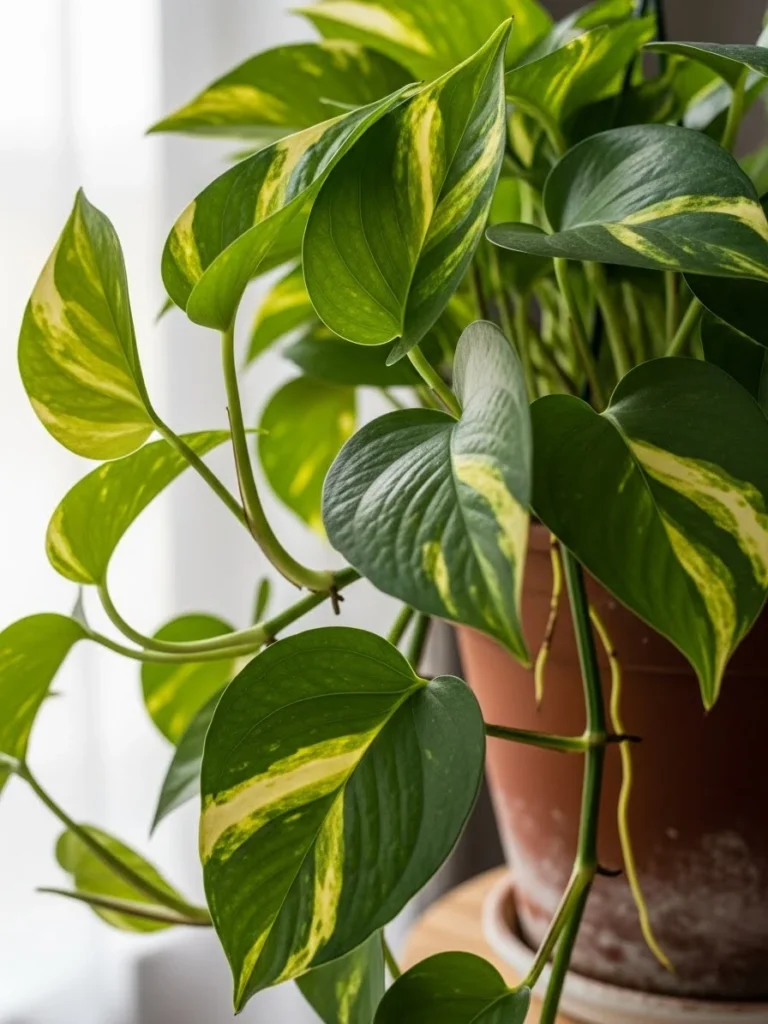
Signs Your Pothos Needs Water vs. Is Overwatered
Learning to diagnose your plant’s needs is the secret to successful plant care. Here’s how to tell what your Pothos is trying to communicate:
Signs of Thirst (Under-watering)
When your Pothos is thirsty, it will show these symptoms:
- Drooping leaves that perk up after watering
- Dry, crispy brown edges on leaf tips
- Soil pulling away from the pot’s edge
- Leaves feel thin or papery to the touch
- The pot feels noticeably light when lifted
Signs of Root Rot (Over-watering)
Overwatering is actually more dangerous than underwatering for Pothos plants. Watch for these red flags:
- Yellow leaves, especially near the base of the plant
- Black or brown mushy stems that feel soft
- Soggy soil that stays wet for days
- Fungus gnats hovering around the pot
- A sour or musty smell from the soil
Pro Tip: Yellow leaves usually mean too much water, while brown crispy leaves usually mean not enough humidity or water. This distinction is crucial for diagnosing problems correctly.
How Often to Water Pothos Properly (Step-by-Step)
Caring for a pothos plant isn’t just about frequency—technique matters too. Follow these steps for optimal watering:
Step 1: The Finger Test
Before you reach for the watering can, stick your finger into the soil up to your second knuckle (about 2 inches deep). If the soil feels:
- Dry and crumbly → Time to water
- Cool and moist → Wait another day or two
- Wet or soggy → Your plant doesn’t need water, and you may be overwatering
This tactile approach is far more accurate than any predetermined schedule.
Step 2: Deep Watering
When it’s time to water, do it thoroughly. Pour water slowly over the entire soil surface until you see it flowing freely from the drainage holes at the bottom. This ensures:
- The entire root system gets hydrated
- Salts and minerals are flushed from the soil
- Roots grow downward toward moisture, creating a stronger plant
Many people make the mistake of giving their plants frequent “sips” of water. This encourages shallow root growth and can actually harm your plant over time.
Step 3: The Drainage Check
After watering, wait 10-15 minutes, then check the drainage tray or saucer. Empty any standing water immediately. Letting your Pothos sit in water is a direct path to root rot. If your pot doesn’t have drainage holes, it’s time to repot—non-draining containers are incompatible with healthy Pothos care.
Should You Bottom Water Your Pothos?
Bottom watering is an advanced technique that many experienced plant parents swear by. Here’s how it works:
- Fill a bowl, sink, or tray with 2-3 inches of room-temperature water
- Place your potted Pothos (in its nursery pot with drainage holes) into the water
- Let it sit for 15-20 minutes, allowing the soil to absorb water from the bottom up
- Remove the pot once the top of the soil feels moist
- Let excess water drain before returning it to its decorative pot
Benefits of bottom watering:
- Encourages roots to grow downward
- Prevents fungus gnats (they thrive in moist topsoil)
- Ensures even water distribution throughout the pot
- Reduces risk of overwatering the crown of the plant
When to use it: Bottom watering works best for Pothos in smaller pots (6 inches or less) or when the soil has become hydrophobic (water-repellent) from drying out completely.
Understanding Your Pothos’s Water Needs
The best soil for pothos is a well-draining mix that holds some moisture but doesn’t stay soggy. Most commercial houseplant or potting mixes work well. You can enhance drainage by adding perlite or orchid bark if your soil seems too dense.
Remember that Pothos (Epipremnum aureum) are incredibly forgiving plants. They evolved as understory vines in tropical forests, where they experienced periods of both moisture and drought. This adaptability is what makes them perfect for beginners.
Seasonal Adjustments for Caring for a Pothos Plant
Your watering routine should shift with the seasons:
Spring & Summer (Growing Season)
- Pothos grows actively during these months
- Increased photosynthesis means higher water demand
- Check soil every 5-7 days
- You may also need to fertilize monthly
Fall & Winter (Dormant Period)
- Growth slows or stops completely
- Water requirements drop significantly
- Check soil every 10-14 days
- Reduce or eliminate fertilization
Many plant owners continue their summer watering schedule into winter and wonder why their Pothos develops yellow leaves. The plant simply isn’t using water as quickly when it’s not actively growing.
Frequently Asked Questions
Q: How much water does a pothos need in cups?
A: Don’t measure in cups or milliliters. Water until the soil is saturated and water drains freely from the bottom. The amount varies based on pot size, soil type, and environmental conditions. Focus on technique, not volume.
Q: Can I use tap water for pothos?
A: Yes, Pothos are hardy and tolerate tap water well. However, if you have heavily chlorinated or hard water, let it sit in an open container overnight to allow chlorine to evaporate. Room-temperature water is always preferable to cold water straight from the tap.
Q: My pothos leaves are drooping but the soil is wet. What’s wrong?
A: Drooping leaves with wet soil often indicate root rot from overwatering. Check the roots by gently removing the plant from its pot. Healthy roots are white or tan and firm. Rotted roots are black, mushy, and may smell bad. You’ll need to trim damaged roots and repot in fresh soil.
Q: Should I mist my pothos?
A: While Pothos appreciate humidity, misting is ineffective and can promote fungal issues. Instead, place the pot on a pebble tray with water, use a humidifier, or group plants together to create a more humid microenvironment.
Final Thoughts: Trust Your Plant, Not the Calendar
The secret to successfully caring for an pothos comes down to observation and adaptation. Your environment is unique—your home’s temperature, humidity, light levels, and air circulation all affect how quickly soil dries out.
Start by checking your Pothos twice a week using the finger test. After a month or two, you’ll develop an intuition for when your specific plant needs water. You might notice the leaves just start to droop, or the pot feels lighter when you pick it up. These personal observations are worth more than any generic schedule.
Remember: when in doubt, it’s safer to underwater than overwater. Pothos can recover from temporary drought, but root rot is often fatal. By mastering the 2-Inch Rule and learning to read your plant’s signals, you’ll keep your Pothos thriving for years to come.
About the Author: With over a decade of experience in indoor plant care and horticulture, I’ve helped thousands of plant parents troubleshoot their Pothos problems. My approach combines practical experience with science-based plant physiology to make plant care accessible to everyone.
What do you think of blogging? Did it benefit you?
There are no reviews yet. Be the first one to write one.