


Table of Contents
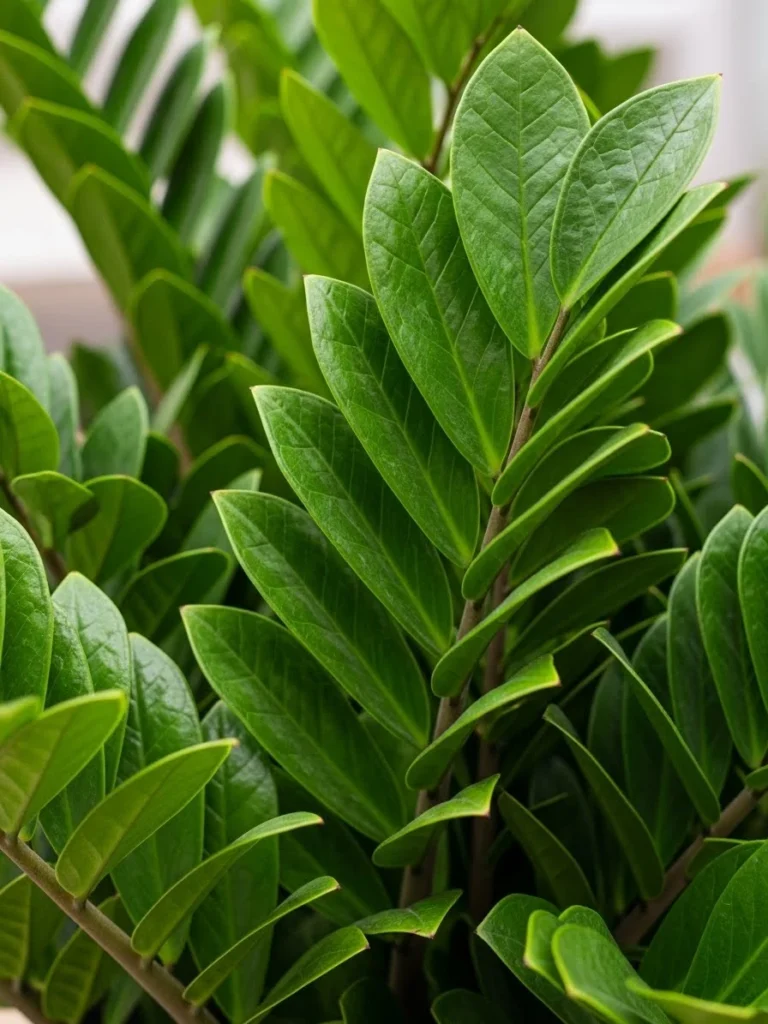
Zamioculcas zamiifolia, commonly known as the ZZ plant, is a tropical perennial native to Eastern Africa belonging to the Araceae family. Famous for its drought tolerance, this plant relies on a unique rhizomatous root system that acts like a water reservoir, making it nearly indestructible for beginners. Whether you’re a seasoned plant parent or just starting your indoor garden journey, mastering Zamioculcas zamiifolia care will reward you with glossy, architectural foliage that thrives with minimal attention.
Quick Care Summary
Before we dive deep, here’s everything you need to know at a glance:
- Light: Low to Bright Indirect
- Water: Every 2–3 weeks (Summer), Once monthly (Winter)
- Soil: Well-draining, chunky mix
- Toxicity: Toxic to pets (Calcium Oxalate)
- Growth: Up to 3-4 feet indoors
The Biology of the ZZ Plant: Understanding the “Water Potato”
Here’s what most care guides miss: understanding why your ZZ plant behaves the way it does starts with its underground anatomy. The secret to successful Zamioculcas zamiifolia care lies in its potato-like rhizome—a thick, bulbous root structure that stores water and nutrients like a natural reservoir.
This rhizome is an evolutionary adaptation to drought conditions in the plant’s native East African habitat. During dry seasons, the ZZ plant can survive for months by drawing on these stored reserves. This biological feature explains why the most common mistake new owners make is overwatering—you’re essentially drowning a plant designed to survive droughts.
Think of the rhizome as your plant’s insurance policy. When you understand this storage system, suddenly all the care advice makes sense: infrequent watering isn’t neglect, it’s respecting the plant’s natural biology.
Watering Your Zamioculcas Zamiifolia: The “Soak and Dry” Method
ZZ plant watering is where most problems begin—and where most success is found. Forget everything you know about typical houseplant watering schedules. The ZZ plant operates on its own timeline.
The Watering Logic Table
| Season | Frequency | Soil State Before Watering | Volume |
|---|---|---|---|
| Spring/Summer | Every 14–21 Days | 100% Dry (Top to Bottom) | Soak until drainage |
| Fall/Winter | Every 30–45 Days | 100% Dry + 1 week | Reduced volume |
How to Water Properly
The “soak and dry” method is your best friend here:
- Wait until the soil is completely dry. Insert your finger 2-3 inches deep—if you feel any moisture, wait longer.
- Water thoroughly. Pour water slowly until it drains from the bottom holes. This ensures the entire root system gets hydrated.
- Empty the saucer. Never let your ZZ plant sit in standing water.
- Forget about it. Seriously. The biggest favor you can do is leave it alone between waterings.
Signs of Overwatering vs. Underwatering
Yellow leaves with mushy stems? You’re dealing with root rot from overwatering. The rhizomes are literally rotting in soggy soil. Solution: Reduce watering frequency immediately and consider repotting in fresh, dry soil.
Wrinkled stems or leaves? Your plant is actually thirsty. While rare, underwatering causes the rhizome to shrink as it depletes its water reserves. Solution: Water deeply and adjust your schedule slightly more frequently.
Light Requirements & Placement: Debunking the “Low Light” Myth
Let’s clarify something crucial about Zamioculcas zamiifolia care: while this plant tolerates low light, it thrives in bright indirect light. Understanding this distinction transforms your plant from surviving to flourishing.
Can ZZ Plants Live in No Light?
No. Despite their reputation, ZZ plants still need light for photosynthesis. They can survive in dim corners because their slow growth rate requires less energy, but growth will be minimal and the plant may become leggy as stems stretch toward available light sources.
Best Window Placement
- North-facing windows: Ideal for consistent, gentle light
- East-facing windows: Perfect morning sun
- South or West-facing windows: Acceptable with sheer curtains to diffuse intense rays
- Artificial light: Works wonderfully—place 12-24 inches from grow lights
Pro tip: Rotate your ZZ plant quarterly to ensure even growth on all sides.
Soil & Fertilizer: The Technical Foundation
The right soil mix is non-negotiable for proper Zamioculcas zamiifolia care. Your ZZ plant needs a well-draining medium that prevents water from pooling around those precious rhizomes.
The Perfect Soil Recipe
Mix these components for optimal drainage:
- 2 parts potting soil (provides nutrients and structure)
- 1 part perlite (improves aeration and drainage)
- 1 part orchid bark (creates air pockets and prevents compaction)
You can also use a pre-made aroid mix or cactus/succulent soil—both work beautifully.
Fertilizing Schedule
ZZ plants are light feeders. Use a balanced 20-20-20 fertilizer diluted to half strength:
- Spring: One application as growth begins
- Summer: One mid-season boost
- Fall/Winter: No fertilizer needed during dormancy
Remember: Under-fertilizing is safer than over-fertilizing. When in doubt, skip it.
Propagation: How to Clone Your ZZ Plant
Ready to expand your collection? Propagating ZZ plants is surprisingly easy—if you have patience. Here are three proven methods:
Method 1: Rhizome Division (Fastest)
- Remove the plant from its pot during repotting
- Gently separate rhizomes with clean hands or pruners
- Each division should have 2-3 stems and attached roots
- Plant immediately in fresh soil
- Water lightly and wait 2-3 weeks before normal watering
Timeline: New growth in 4-6 weeks
Method 2: Stem Cuttings (Moderate Speed)
- Cut a healthy stem at the base with sterile scissors
- Allow the cut end to callus for 2-3 hours
- Place in water or directly in moist soil
- Change water weekly if water propagating
- Roots develop in 3-4 weeks; rhizomes form in 2-3 months
Method 3: Leaf Cuttings (Slowest but Fun)
- Remove a healthy leaflet from the stem
- Plant the cut end in moist propagation mix
- Keep soil barely moist (not wet)
- Wait patiently—rhizome formation takes 6-9 months
Pro insight: Leaf cuttings are the slowest method, but they’re a fascinating way to watch the plant’s biology in action as it builds an entirely new rhizome from scratch.
Troubleshooting & Disease Control: The “Save Me” Section
Even low-maintenance plants send distress signals. Here’s how to decode and fix common ZZ plant problems.
Why Are My ZZ Plant Leaves Turning Yellow?
Primary cause: Root rot from overwatering
Secondary causes: Natural aging of lower leaves, pest infestation
Solution:
- Check soil moisture immediately
- Remove yellow leaves at the base
- If roots are mushy and dark, repot in fresh soil after trimming damaged roots
- Adjust watering schedule to less frequent
Why Are the Stems Falling Over?
Cause: Etiolation (stretching toward light) or weak root system
Solution:
- Move to brighter location
- Stake stems temporarily if needed
- Ensure pot isn’t too large (oversized pots hold excess moisture)
Is the ZZ Plant Poisonous?
Yes. The ZZ plant contains calcium oxalate crystals that can cause:
- Mouth and throat irritation if ingested
- Skin irritation from sap contact
- Toxicity in cats and dogs if chewed
Safety measures:
- Keep out of reach of children and pets
- Wear gloves when pruning or repotting
- Wash hands thoroughly after handling
- Seek veterinary care if pets ingest any part
Frequently Asked Questions
How big does a Zamioculcas zamiifolia grow?
Indoors, ZZ plants typically reach 3-4 feet tall with a similar spread. Growth is slow but steady with proper care. In ideal conditions, they can grow slightly larger, but controlled pot size naturally limits their dimensions.
Does the ZZ plant purify air?
Yes. Research from NASA’s Clean Air Study indicates that ZZ plants can remove toxins like xylene, toluene, and benzene from indoor air. While they won’t replace proper ventilation, they contribute to healthier indoor environments.
How long do ZZ plants live?
With proper Zamioculcas zamiifolia care, these are long-lived perennials that commonly survive 10+ years. Some specimens in botanical gardens are over 20 years old. Their rhizomes become more robust with age, making mature plants even more resilient.
Can I grow ZZ plants outdoors?
Only if you live in USDA zones 9-11. They’re frost-sensitive and prefer temperatures between 60-75°F. In other climates, treat them as indoor houseplants or bring them outside during warm months.
Why is my ZZ plant growing so slowly?
Slow growth is completely normal for ZZ plants. They’re naturally slow growers, especially in lower light conditions. If growth has stopped entirely, check light levels and ensure you’re fertilizing during the growing season.
Final Thoughts: Embrace the Easy Life
Mastering Zamioculcas zamiifolia care isn’t about constant attention—it’s about understanding the plant’s evolutionary design and respecting its drought-adapted nature. The ZZ plant asks for very little: infrequent watering, decent light, and well-draining soil. In return, it offers year-round glossy foliage that elevates any space with minimal fuss.
The golden rule? When in doubt, do nothing. Your ZZ plant can handle benign neglect far better than over-enthusiastic care. Trust the rhizome, trust the process, and enjoy one of the most forgiving houseplants you’ll ever grow.
Ready to expand your plant knowledge? Explore our guides on other low-maintenance beauties like snake plants, pothos, and philodendrons—perfect companions for your thriving ZZ plant collection.
What do you think of blogging? Did it benefit you?
There are no reviews yet. Be the first one to write one.